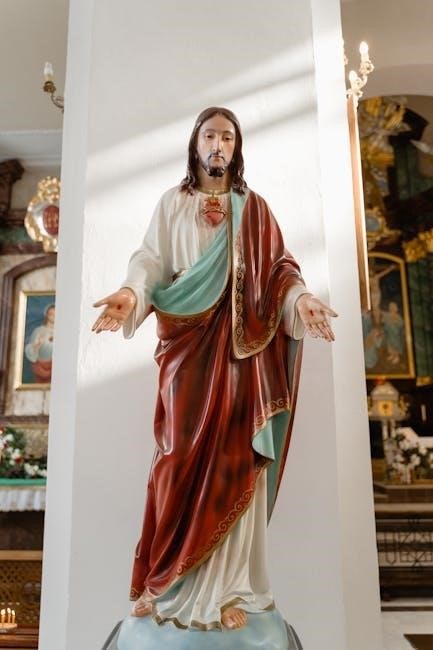
Exploring Jesus’ final week offers profound historical, theological, and devotional insights, as detailed in numerous scholarly works and readily available resources like PDFs.
Historical Context and Importance
Understanding the historical backdrop of Jesus’ last week is crucial. Scholarly resources, including readily available PDFs, meticulously reconstruct a likely chronology of Passion Week. These accounts delve into the cultural and geographical nuances of Jerusalem during that period. Examining the intensifying opposition towards Christ, as noted in studies, reveals a pivotal moment. This culminated in increased teaching opportunities, shaping the events leading to the crucifixion, and impacting subsequent theological interpretations.
Theological Implications of the Final Days
The final days of Jesus carry immense theological weight, explored extensively in resources like detailed PDFs. Authors provide commentary on the four Gospels, highlighting each evangelist’s unique theological contributions. This period reveals a radical, often little-known, Jesus, challenging conventional understandings. The events underscore themes of sacrifice, authority, and the fulfillment of prophecy, profoundly shaping Christian doctrine and devotion.
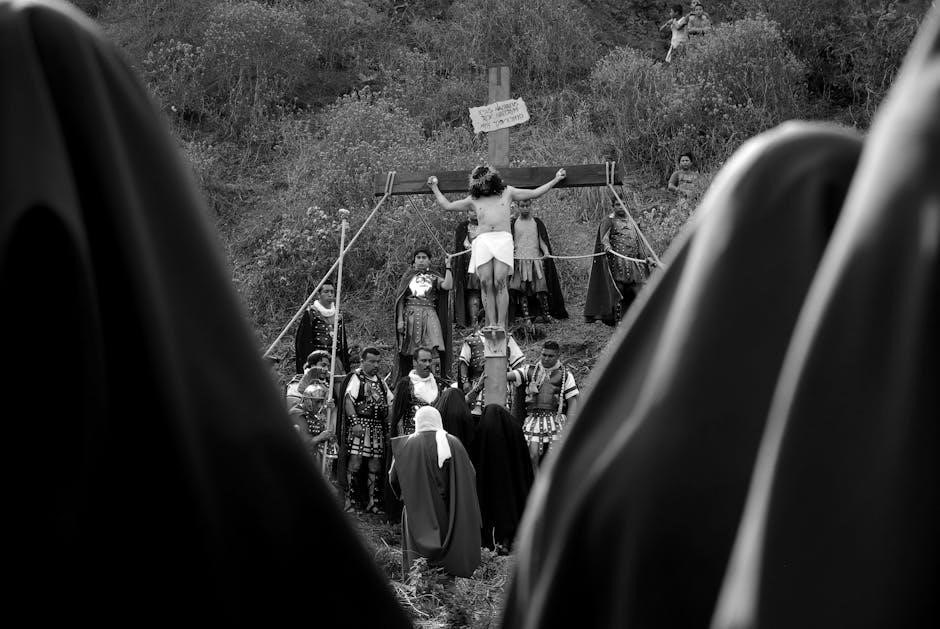
Sunday: The Triumphal Entry and Cleansing of the Temple
Jesus’ arrival in Jerusalem, greeted with palm branches, and subsequent temple cleansing demonstrate his royal authority and challenge religious norms.
Palm Sunday: A Royal Welcome
The Gospels vividly portray Jesus’ entry into Jerusalem as a deliberate and symbolic act, mirroring the prophecies of a king arriving in triumph. Crowds enthusiastically welcomed him, spreading palm branches and shouting “Hosanna,” recognizing him as the promised Messiah. This royal welcome wasn’t merely a celebratory parade; it was a powerful declaration of Jesus’ identity and authority, directly challenging the existing power structures.
Resources detailing this event, often found in “last week of Jesus life pdf” studies, emphasize the contrast between this enthusiastic reception and the impending betrayal and suffering that would soon follow.
The Symbolic Meaning of the Triumphal Entry
Jesus’ choice of a donkey for his entry was a deliberate act, echoing Zechariah’s prophecy of a humble king who comes riding on a donkey. This contrasted sharply with the horses associated with conquering military leaders, signifying Jesus’ peaceful reign. The palm branches symbolized victory and royalty, acknowledging Jesus as the Messiah.
“Last week of Jesus life pdf” resources highlight how this entry wasn’t just a historical event, but a carefully orchestrated demonstration of Jesus’ messianic claim and foreshadowing of his kingdom.
Cleansing the Temple: Challenging Religious Authority
Jesus’ forceful action in the Temple, overturning tables and driving out merchants, was a direct challenge to the commercialization of worship. He condemned the turning of God’s house into a “den of robbers,” highlighting the corruption within the religious system.
Studies within “last week of Jesus life pdf” materials emphasize this wasn’t merely about economics, but a symbolic act demonstrating righteous zeal and a demand for genuine reverence.
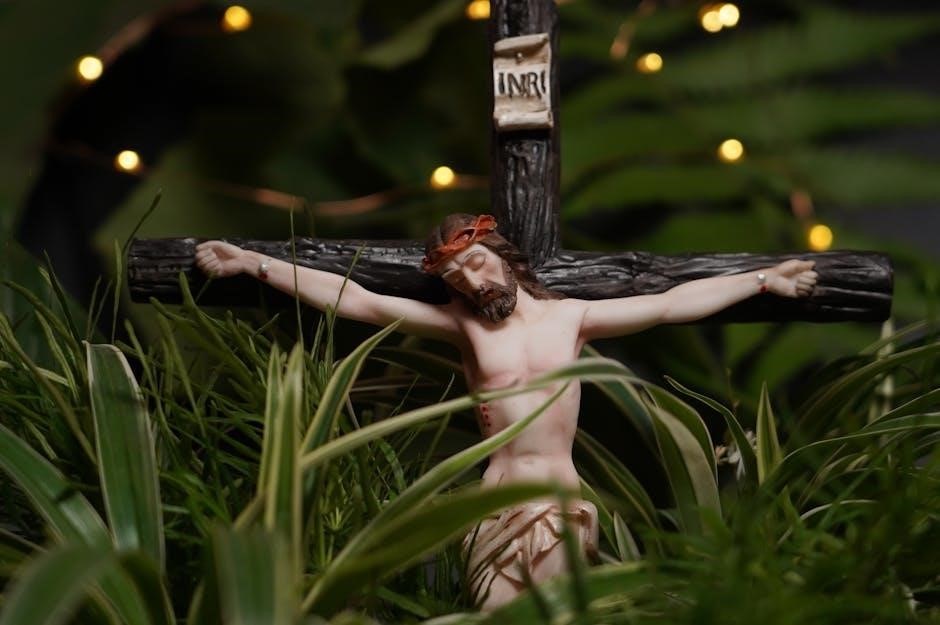
Monday: Jesus’ Teachings and Debates
Monday saw intensified teaching and confrontations, as Jesus skillfully debated religious leaders, utilizing parables and prophecies—detailed in “last week of Jesus life pdf”.
The Fig Tree and Faith
The incident with the fig tree, barren despite its leaves, serves as a powerful illustration of faith and the need for genuine spiritual fruitfulness. Scholarly analyses, often found within comprehensive “last week of Jesus life pdf” resources, suggest this act wasn’t merely about hunger, but a symbolic demonstration of judgment.
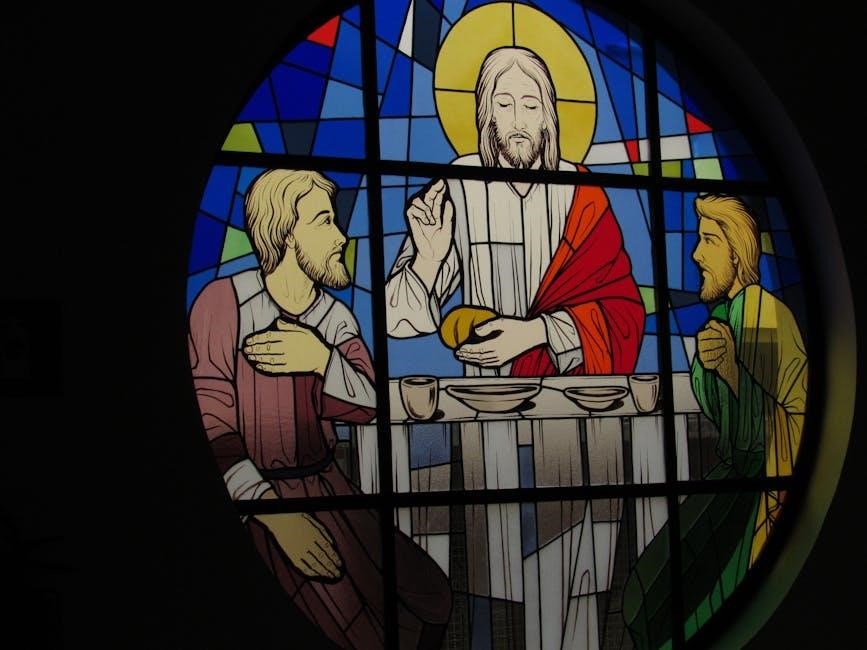
Jesus connects this to the power of prayer and believing—a faith that can move mountains. It highlights the importance of a responsive faith, not just outward appearances, echoing themes prevalent throughout his ministry and meticulously documented in Passion Week studies.
Confrontations with Religious Leaders
Jesus’ confrontations with the Pharisees and Sadducees intensified during the last week, documented extensively in Gospel accounts and analyzed in resources like a “last week of Jesus life pdf”. These debates centered on authority, interpretation of the Law, and accusations of blasphemy.
These exchanges weren’t simply theological disputes; they represented a challenge to the established religious order, escalating tensions and ultimately contributing to the plot against Jesus, as explored by scholars like Borg and Crossan.
Parables and Prophecies
During this pivotal week, Jesus employed parables and delivered potent prophecies, meticulously recorded and analyzed in resources such as a comprehensive “last week of Jesus life pdf”. These teachings, often directed at religious leaders, unveiled truths about the Kingdom of God and foreshadowed his impending suffering.
The Olivet Discourse, a key prophetic section, detailed future events, prompting reflection on faith and preparedness, as highlighted by Köstenberger, Taylor, and Stewart’s work.
Tuesday: Further Teachings and Increasing Opposition
Jesus continued teaching, facing growing antagonism from authorities, a dynamic explored in detail within scholarly analyses and accessible “last week of Jesus life pdf” guides.
The Authority of Jesus Questioned
Religious leaders directly challenged Jesus’ authority on Tuesday, seeking to discredit Him before the populace. They questioned His right to cleanse the Temple and teach with such conviction. Scholarly resources, including comprehensive “last week of Jesus life pdf” documents, meticulously examine these confrontations. These texts reveal how Jesus skillfully responded, often turning the questioning back on His accusers, exposing their hypocrisy and ultimately highlighting His divine origin and unique relationship with God.
The Olivet Discourse: Prophecies of the Future
Jesus delivered extensive prophecies regarding future events while on the Mount of Olives, a pivotal moment documented in detail. “Last week of Jesus life pdf” studies emphasize the discourse’s focus on the Temple’s destruction, signs preceding His return, and the establishment of God’s kingdom. These prophecies, often debated and analyzed, offer a glimpse into the unfolding of God’s plan and serve as a call to watchfulness and preparedness for believers.
The Widow’s Offering and Jesus’ Critique of Hypocrisy
Jesus powerfully contrasted the ostentatious giving of the wealthy with the humble offering of a poor widow, highlighting true devotion. Resources like a “last week of Jesus life pdf” reveal this event as a direct rebuke of religious leaders’ hypocrisy. He condemned their focus on outward appearances and emphasized genuine faith, demonstrating that true worship stems from a willing heart, not from a desire for recognition.

Wednesday: A Day of Preparation and Quiet Reflection
Amidst escalating tension, Wednesday likely involved Jesus and disciples preparing for the Passover, a period of quiet anticipation detailed in “last week of Jesus life pdf”.
Possible Activities and Rest
Scholarly analysis, including resources like a “last week of Jesus life pdf”, suggests Wednesday was relatively undocumented, potentially offering Jesus a respite before the intense events ahead. He may have engaged in teaching, private prayer, or logistical preparations for the Passover meal.
Some speculate Jesus utilized this day for rest and reflection, strengthening his resolve for the sacrifices imminent. This period of quietude contrasts sharply with the escalating opposition and public confrontations of earlier days, providing a crucial interlude.
Preparation for the Passover Meal
Detailed accounts, often found within a “last week of Jesus life pdf” resource, highlight the meticulous preparations for the Passover meal. This involved securing a suitable upper room, acquiring a lamb for sacrifice, and ensuring provisions like unleavened bread and wine were available.
Jesus and his disciples likely followed established customs, emphasizing ritual purity and adherence to Jewish law. This meal wasn’t merely a festive occasion, but a deeply symbolic act foreshadowing the ultimate sacrifice to come.
Thursday: The Last Supper and Betrayal
The Last Supper, extensively documented in “last week of Jesus life pdf” materials, marked a pivotal moment—institution of Eucharist and foreshadowing of betrayal.
The Passover Meal and its Significance
The Passover meal, central to the narrative found within “last week of Jesus life pdf” resources, held immense symbolic weight. It commemorated Israel’s liberation from Egyptian slavery, a foundational event in Jewish history. Jesus’ participation transformed the ritual, imbuing it with new meaning as a foreshadowing of his own sacrifice.
Scholarly analyses detail how the meal’s elements—unleavened bread and wine—became representative of Christ’s body and blood, offered for the redemption of humanity. This context, explored in detailed PDF studies, highlights the meal’s transition from national remembrance to a universal covenant.
The Institution of the Eucharist
“Last week of Jesus life pdf” studies emphasize the profound moment of the Eucharist’s institution during the Passover meal. Jesus took bread and wine, declaring them symbolic of his body and blood, offered for forgiveness of sins. This act, documented in the Gospels and analyzed in scholarly PDFs, established a new covenant.
The Eucharist, therefore, isn’t merely a remembrance but a participation in Christ’s sacrifice, a central tenet explored within these resources. It signifies ongoing communion with God and fellow believers, a lasting legacy of that final week.
Jesus’ Prediction of Peter’s Denial and Judas’ Betrayal
“Last week of Jesus life pdf” resources detail Jesus’ somber predictions during the Last Supper. He foretold Peter’s threefold denial, a moment of human weakness amidst divine purpose, and Judas’ impending betrayal, a tragic act of disloyalty. These prophecies, central to Gospel narratives, highlight the cost of discipleship.
Scholarly analyses within these PDFs explore the theological implications of free will, divine foreknowledge, and the complexities of human response to Jesus’ impending suffering.
The Agony in the Garden of Gethsemane
“Last week of Jesus life pdf” materials emphasize the profound emotional and spiritual turmoil Jesus experienced in Gethsemane. Facing imminent crucifixion, He wrestled with God’s will, demonstrating both divine and human nature. This pivotal scene, richly detailed in the Gospels, reveals Jesus’ complete submission.
PDF analyses explore the significance of prayer, suffering, and obedience, offering insights into the depth of Jesus’ sacrifice and the weight of His responsibility.
Friday: Crucifixion and Death
“Last week of Jesus life pdf” resources detail the brutal trials, scourging, and crucifixion, culminating in Jesus’ death and immediate aftermath—a pivotal sacrifice.
Jesus’ Trial Before Pilate
Examining “last week of Jesus life pdf” materials reveals the complexities of Jesus’ trial. Pilate, a Roman governor, faced pressure from Jewish leaders demanding Jesus’ execution. These resources highlight Pilate’s internal conflict, questioning Jesus’ guilt while navigating political expediency.
The accounts detail accusations of sedition and claiming kingship, ultimately leading Pilate to reluctantly hand Jesus over for crucifixion, despite finding no substantial fault. This pivotal moment is extensively analyzed within these scholarly PDFs.
The Scourging and Mockery
“Last week of Jesus life pdf” resources vividly depict the brutal Roman practice of scourging. Before crucifixion, Jesus endured a savage whipping, intended to humiliate and weaken him. Scholarly analyses detail the physical torment and its symbolic weight, representing humanity’s sin.
Further, these texts describe the soldiers’ mockery, crowning Jesus with thorns and hailing him as “King of the Jews” – a cruel parody of his true identity, intensifying his suffering and degradation before the ultimate sacrifice.
The Crucifixion: Suffering and Sacrifice
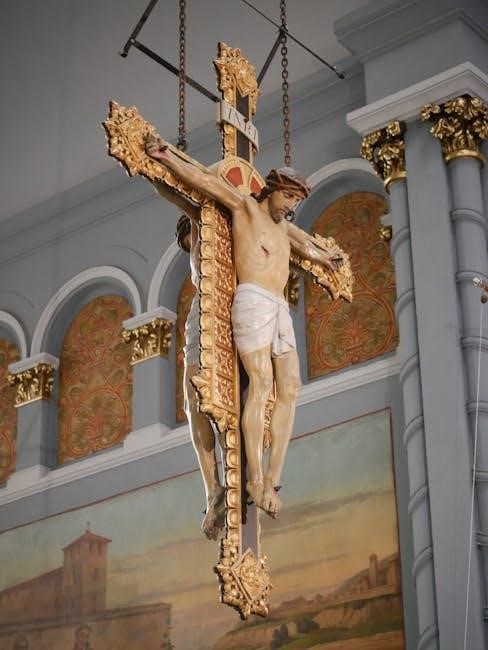
“Last week of Jesus life pdf” materials emphasize the excruciating pain of crucifixion, a Roman method of execution reserved for criminals and enemies of the state. Detailed accounts portray the physical agony – suffocation, dehydration, and exhaustion – endured by Jesus.
However, these resources also highlight the profound theological significance: Jesus’ voluntary sacrifice, willingly bearing the weight of humanity’s sins, offering redemption and reconciliation with God through his ultimate act of love.
The Death of Jesus and its Immediate Aftermath
“Last week of Jesus life pdf” studies detail the moment of Jesus’ death, noting the earthquake and rending of the temple veil as symbolic representations of a cosmic shift. The centurion’s declaration – “Truly this man was the Son of God!” – signifies recognition of Jesus’ divine nature.
Immediately following, Joseph of Arimathea secured Jesus’ body for burial, fulfilling prophecies and setting the stage for the pivotal event of the resurrection.
Saturday: The Sabbath and the Waiting
“Last week of Jesus life pdf” resources emphasize the Sabbath’s observance, a day of rest following the crucifixion, filled with anticipation for what was to come.
The Sabbath Observance
Examining “last week of Jesus life pdf” materials reveals the Sabbath’s crucial role. Jewish law mandated strict Sabbath rest, prohibiting work. This day followed Jesus’ crucifixion, creating a tense pause between suffering and the anticipated resurrection.
Resources detail how Jesus’ followers, though grieving, would have adhered to Sabbath customs. This period wasn’t inactivity, but a time for reflection, prayer, and processing the events of the preceding days, awaiting God’s next move.
The Burial of Jesus
“Last week of Jesus life pdf” resources emphasize the swift burial following the crucifixion. Joseph of Arimathea, a wealthy disciple, secured permission from Pilate to lay Jesus in his own new tomb – a rock-hewn cave.
This act, performed with Nicodemus’ assistance, fulfilled Old Testament prophecies. The hurried nature, due to the approaching Sabbath, highlights the urgency and the limited time available for proper mourning rituals.
The Significance of the Sabbath Rest
“Last week of Jesus life pdf” studies reveal the Sabbath’s crucial role after the crucifixion. Jewish law mandated strict Sabbath observance, preventing any work, including fully completing burial preparations.
This enforced rest, while seemingly a pause, held deep theological weight. It foreshadowed Jesus’ rest in death and anticipated the ultimate rest promised to believers – a new creation and eternal peace. The Sabbath became a period of expectant waiting.
Sunday: Resurrection and New Hope
“Last week of Jesus life pdf” resources highlight the empty tomb’s discovery, confirming the resurrection and ushering in a new era of hope and faith.
The Empty Tomb and the Discovery of the Resurrection
Numerous “last week of Jesus life pdf” studies detail the pivotal discovery of the empty tomb, marking the cornerstone of Christian belief. Early Sunday morning, witnesses – primarily women – arrived to find the stone rolled away and Jesus’ body absent.
This unexpected finding sparked initial confusion and disbelief, quickly evolving into joyous realization as accounts of the resurrected Christ began to circulate. The empty tomb isn’t merely an absence; it’s powerful evidence validating Jesus’ claims and signifying victory over death, offering enduring hope.
Appearances of the Resurrected Jesus
“Last week of Jesus life pdf” resources meticulously document the post-resurrection appearances, crucial for establishing the reality of Jesus’ triumph over death. These weren’t fleeting visions, but tangible encounters with the resurrected Christ.
He appeared to Mary Magdalene, then to other women, the disciples (initially doubting Thomas included), and even larger groups. These appearances, spanning forty days, confirmed His identity, fulfilled prophecy, and commissioned believers to spread the Gospel message, solidifying faith.
Theological Implications of the Resurrection
“Last week of Jesus life pdf” studies reveal the resurrection’s central theological weight: victory over sin and death, validating Jesus’ claims as the Messiah and Son of God.
It demonstrates God’s power and offers believers hope for eternal life, transforming despair into joyous expectation. The resurrection isn’t merely a historical event; it’s the cornerstone of Christian faith, impacting salvation, worship, and the promise of future glorification.