Heritage Mass PDF: A Comprehensive Overview (as of 12/04/2025)
Today, December 4th, 2025, digital preservation of the Luxembourg Heritage Mass via PDF format ensures accessibility to this cultural tradition and its historical significance.
What is a Heritage Mass?
A Heritage Mass is a religious service, specifically an outdoor Mass, deeply rooted in the cultural traditions of Luxembourgish communities, particularly those with historical ties to the St. Donatus site in Iowa. These Masses aren’t simply religious observances; they are vibrant celebrations of identity, heritage, and community spirit.
The 6th annual outdoor Luxembourg Heritage Mass, scheduled for December 4th, 2025, exemplifies this tradition. It’s a practice passed down through generations, representing a tangible link to ancestral customs and beliefs. The increasing use of PDF documentation, like the Heritage Mass PDF, ensures the preservation and wider dissemination of details surrounding these events, including order of service, hymns, and historical context.
These Masses serve as community gatherings, reinforcing Luxembourgish identity and cultural practices, and are often highlighted during heritage months and days.
Historical Context of Luxembourg Heritage Masses
Luxembourg Heritage Masses trace their origins to the strong Catholic faith and cultural identity of Luxembourgish immigrants who settled in the United States, particularly in the Midwest. These early settlers sought to maintain their traditions, including religious practices, in their new homeland.
The tradition evolved over time, often taking the form of outdoor Masses held at significant historical sites like St. Donatus, fostering a sense of community and remembrance. The creation of Heritage Mass PDFs represents a modern evolution of this preservation effort. These digital documents ensure accessibility to historical information about the Mass and its location, effectively archiving a living tradition.
The 40th anniversary of the Heritage Day of Portugal ceremony highlights the longevity of similar cultural preservation efforts, mirroring the dedication to maintaining Luxembourgish heritage.
The Significance of the St. Donatus Historical Site
St. Donatus, located outside Alton, Iowa, serves as a pivotal location for the annual Luxembourg Heritage Mass, embodying the historical and spiritual connection to Luxembourgish roots. The site’s significance lies in its representation of early immigrant settlements and the preservation of their cultural identity;
Hosting the outdoor Mass at St. Donatus reinforces the importance of place in maintaining heritage. The increasing use of Heritage Mass PDFs complements this physical connection by providing accessible historical context and details about the site itself. These PDFs often include information about the location’s history, enhancing the experience for attendees and those accessing the Mass remotely.
The site’s continued use demonstrates a commitment to honoring the past, mirrored in the digital archiving efforts through PDF documentation.
Origins and Evolution of the Outdoor Mass Tradition
The tradition of the Luxembourg Heritage Mass, particularly its outdoor setting, stems from historical practices of communal worship and celebrating cultural identity within immigrant communities. Initially, these Masses likely served as vital social and spiritual gatherings for dispersed populations.
Over time, the tradition evolved, becoming a formalized annual event, now documented and disseminated through Heritage Mass PDFs. These PDFs represent a modern evolution, ensuring wider accessibility to the Mass’s order of service, hymns, and historical background. The digital format allows for preservation and sharing beyond the physical limitations of the event.
The PDF’s role signifies a commitment to maintaining this evolving tradition for future generations, blending historical practice with contemporary technology.
The Luxembourg Heritage Society
The Luxembourg Heritage Society spearheads the annual Mass, creating and distributing the Heritage Mass PDF to preserve and share this vital cultural event.
Role in Organizing the Annual Mass
The Luxembourg Heritage Society assumes a central role in orchestrating the annual outdoor Heritage Mass at the St. Donatus historical site. This involves meticulous planning, coordinating clergy and musicians, and ensuring the event honors Luxembourgish traditions. Crucially, the Society is responsible for compiling and distributing the comprehensive Heritage Mass PDF.
This PDF serves as a vital resource, containing the order of service, hymn lyrics, and historical context. The Society’s dedication extends to making this document accessible online, offering download and printing options. They actively work to preserve this cultural practice, ensuring future generations can connect with their heritage through this readily available digital archive. Their efforts directly support the continuation of this significant community gathering and the preservation of Luxembourgish identity.
Membership and Community Involvement
The Luxembourg Heritage Society thrives on active membership and broad community participation, essential for sustaining the annual Heritage Mass and its associated PDF documentation. Members contribute through volunteer efforts, financial support, and sharing their knowledge of Luxembourgish culture. This collaborative spirit directly impacts the quality and accessibility of the Heritage Mass PDF, ensuring its continued relevance.
Community involvement extends to providing historical information, biographies of key participants, and even assisting with the digital archiving process. The Society fosters a sense of ownership and pride in this cultural tradition. By encouraging contributions and collaborative editing, they aim to create a dynamic and inclusive resource, reflecting the collective heritage of the community and making the PDF a truly representative document.
Preservation of Luxembourgish Culture and Traditions
The Heritage Mass PDF serves as a vital tool in preserving Luxembourgish culture and traditions for future generations. By digitally archiving the order of service, hymn lyrics, and historical context, the Society safeguards intangible heritage that might otherwise be lost. This digital preservation complements ongoing efforts to maintain cultural practices and strengthen Luxembourgish identity.
The PDF’s accessibility ensures wider dissemination of cultural knowledge, extending beyond the immediate community. It acts as an educational resource, fostering appreciation for Luxembourgish heritage during Heritage Months and Days. Through this documentation, the Mass transcends a single event, becoming a lasting testament to the enduring spirit and rich legacy of the Luxembourgish people, readily available for study and celebration.
Funding and Support for Heritage Initiatives
The creation and maintenance of the Heritage Mass PDF relies on dedicated funding and community support. While specific financial details aren’t publicly available, the Luxembourg Heritage Society likely utilizes membership dues, donations, and potentially grants to cover digitization costs, archival storage, and website hosting.
Support extends beyond monetary contributions; volunteer efforts in transcribing lyrics, researching historical information, and ensuring PDF accessibility are crucial. The Society’s success in preserving this cultural tradition demonstrates a commitment to building an America where freedom, opportunity, and civil society flourish, mirroring broader heritage preservation goals. Continued funding ensures the PDF remains a vibrant, accessible resource for years to come.
The Mass Itself: Liturgical Aspects
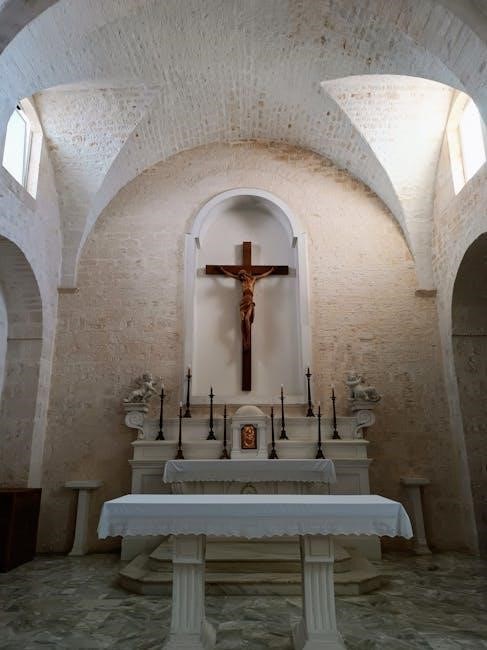
The Heritage Mass PDF meticulously details liturgical elements, including prayers, hymns, and the roles of clergy and choir, preserving this cultural and spiritual practice.
Language Used in the Mass (Luxembourgish, English, etc.)
The Heritage Mass PDF comprehensively documents the languages employed during the service, reflecting its historical and cultural context. Traditionally, Luxembourgish holds a central position, deeply connecting the Mass to the community’s roots and ancestral heritage. However, recognizing a diverse audience and aiming for broader accessibility, English is frequently incorporated, particularly in readings and certain prayers.
The PDF often provides translations alongside Luxembourgish text, ensuring understanding for non-native speakers. This bilingual approach underscores the commitment to inclusivity while simultaneously preserving the unique linguistic identity of the Luxembourgish community. The precise language balance can vary, but the Heritage Mass PDF serves as a definitive record of the linguistic elements utilized in each specific celebration, offering valuable insight into the evolving nature of this cherished tradition.
Specific Prayers and Hymns
The Heritage Mass PDF meticulously details the specific prayers and hymns integral to the outdoor Mass at St. Donatus. Traditional Luxembourgish hymns, passed down through generations, form a cornerstone of the liturgical experience, embodying the community’s faith and cultural identity. The PDF provides complete lyrics, often including musical notation, enabling participation and preservation of these musical traditions.
Alongside these traditional pieces, contemporary hymns in both Luxembourgish and English may be included, reflecting a blend of reverence and accessibility. Common prayers, such as the Lord’s Prayer and Hail Mary, are typically recited in Luxembourgish, with English translations provided within the Heritage Mass PDF. This detailed documentation ensures the continuity of these sacred elements for future generations and fosters a deeper understanding of the Mass’s spiritual core.
Role of the Clergy and Choir
The Heritage Mass PDF clearly outlines the roles of the clergy and choir during the outdoor Mass at the historical St. Donatus site. The presiding priest leads the liturgical celebration, delivering the homily and administering the sacraments, connecting the present congregation to centuries of faith. The PDF often includes a biography of the officiating clergy, highlighting their connection to the Luxembourgish heritage.
The choir plays a pivotal role, enhancing the spiritual atmosphere through vocal performances of traditional hymns and sacred music. The Heritage Mass PDF may list choir members and their contributions. Their repertoire, often featuring Luxembourgish compositions, reinforces cultural identity. The combined efforts of clergy and choir create a powerful and moving experience, documented within the PDF for preservation and continued celebration.
The PDF Format: Accessibility and Distribution
Heritage Mass PDFs offer a universally accessible format for disseminating information about this cultural event. The PDF’s portability allows individuals to view the order of service, hymn lyrics, and historical context on various devices – computers, tablets, and smartphones – broadening participation. Online availability via websites ensures widespread distribution, reaching both local communities and the Luxembourgish diaspora.
This digital format facilitates archiving and preservation of the Mass’s details, safeguarding it for future generations. Downloading and printing options cater to those preferring a physical copy. The PDF’s structure supports accessibility features, benefiting users with visual impairments. Ultimately, the PDF format democratizes access to the Heritage Mass, fostering a deeper understanding and appreciation of Luxembourgish traditions.

Heritage Mass PDFs: Content and Features
These PDFs comprehensively detail the order of service, hymn lyrics, historical site information, and biographies of key participants, enriching the cultural experience.
Order of Service Details
The Heritage Mass PDF meticulously outlines the complete liturgical order, providing a structured guide for attendees and researchers alike; It details each segment of the Mass, from the initial procession and opening prayers to the readings, homily, offertory, Eucharistic Prayer, and concluding rites.
Specific timings for each part are often included, enhancing the user’s ability to follow along during the live event or when reviewing the service afterward. Furthermore, the PDF clarifies the roles of different participants – clergy, choir, lectors – within each section. This detailed breakdown ensures a deeper understanding of the Mass’s flow and significance, preserving the tradition for future generations. The inclusion of rubrics and liturgical notes adds to its scholarly value.
Hymn Lyrics and Sheet Music
A core component of the Heritage Mass PDF is the comprehensive inclusion of hymn lyrics, often presented in both Luxembourgish and English, fostering wider participation and understanding. Crucially, the PDF doesn’t merely provide the words; it also features corresponding sheet music, enabling choirs and musicians to accurately reproduce the traditional melodies.
This musical notation is typically clear and legible, catering to varying levels of musical proficiency. The selection of hymns often reflects Luxembourgish cultural heritage and religious devotion, strengthening the connection to ancestral traditions. Detailed information regarding copyright and usage permissions may also be included. Preserving these musical elements within the PDF ensures the continuation of this vital aspect of the Mass.
Historical Information about the Mass and Location
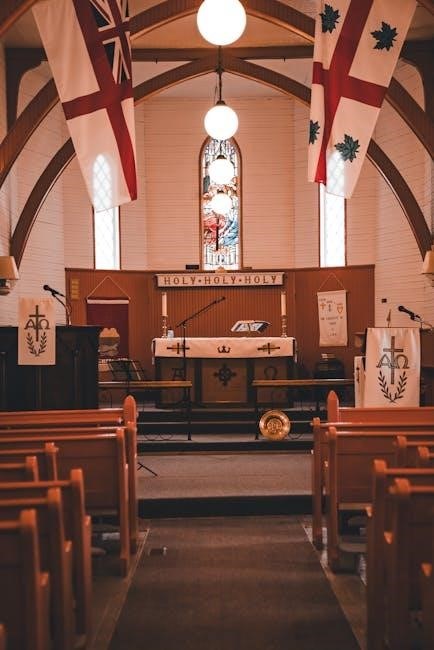
The Heritage Mass PDF consistently incorporates detailed historical context, tracing the evolution of this outdoor tradition, particularly within the Luxembourgish diaspora. Specifically, it outlines the significance of the St. Donatus historical site near Alton, Iowa, as the primary location for the annual event, detailing its cultural and religious importance.
Information often includes the origins of the Mass, its connection to Luxembourgish identity, and the reasons for its continuation in the United States. Furthermore, the PDF may feature archival photographs and narratives, enriching the understanding of the Mass’s historical trajectory. This section aims to educate attendees and preserve the memory of Luxembourgish heritage for future generations, solidifying its cultural relevance.
Biographies of Key Participants (Clergy, Musicians)
The Heritage Mass PDF frequently dedicates a section to recognizing the individuals central to its execution. Detailed biographies of the presiding clergy – often highlighting their connection to Luxembourgish heritage or specialized roles within the Mass – are included. Similarly, profiles of key musicians, choir leaders, and instrumentalists showcase their contributions to the liturgical experience.
These biographical sketches often extend beyond professional credentials, encompassing personal stories and motivations for participating in the Mass. This humanizes the event, fostering a deeper connection between attendees and those leading the service. The inclusion of these profiles acknowledges the dedication and expertise required to maintain this cultural tradition, preserving their legacies within the PDF archive.
Cultural Heritage and the Mass
Heritage Mass PDFs actively preserve Luxembourgish identity, cultural practices, and community bonds, serving as a vital link to past generations and traditions.
Connection to Luxembourgish Identity
Heritage Mass PDFs represent a powerful connection to Luxembourgish identity, encapsulating centuries of tradition and faith within a readily accessible digital format. These documents aren’t merely records of a religious service; they are vessels carrying the language, hymns, and historical context crucial to understanding Luxembourg’s cultural roots.
The preservation of these Masses in PDF form ensures that future generations, both within Luxembourg and across the diaspora, can engage with their heritage. This digital archiving combats the potential loss of cultural memory, offering a tangible link to ancestors and a celebration of shared values. The Mass itself, and its documented form, reinforces a sense of belonging and collective identity, fostering pride in Luxembourgish history and traditions.
Preservation of Cultural Practices
Heritage Mass PDFs actively contribute to the preservation of vital cultural practices, safeguarding elements like Luxembourgish language usage within liturgical contexts and unique hymn traditions. By meticulously documenting the order of service, lyrics, and historical details, these PDFs create a lasting record against the erosion of time and changing societal norms.
The digital format allows for wider dissemination and repeated access, ensuring these practices aren’t confined to annual events. This accessibility is crucial for transmitting cultural knowledge to younger generations and maintaining continuity. Furthermore, the PDF’s archival nature protects against physical deterioration, offering a stable medium for preserving these important aspects of Luxembourgish heritage for years to come.
The Mass as a Community Gathering
Heritage Mass PDFs extend the communal experience beyond the physical event, fostering a sense of belonging even for those unable to attend the outdoor Mass at St. Donatus. These digital resources serve as a virtual gathering space, allowing individuals to participate remotely and connect with their cultural roots.
The PDF’s content – hymns, prayers, and historical information – encourages shared reflection and strengthens community bonds. It facilitates intergenerational dialogue, as families can explore their heritage together. Moreover, the accessibility of these documents promotes inclusivity, welcoming both long-standing members and newcomers to engage with Luxembourgish traditions, solidifying the Mass’s role as a cornerstone of community life.
The Role of Heritage Months and Days
Heritage Mass PDFs gain heightened significance during designated heritage months, like Hispanic Heritage Month or celebrations focused on Portuguese culture, mirroring events at the Massachusetts State House. These periods amplify awareness and appreciation for diverse traditions, positioning the Mass as a focal point for cultural expression.
The PDF format allows for wider dissemination of information about the Mass during these times, reaching audiences beyond the immediate community. It serves as an educational tool, detailing the historical context and cultural importance of the event. By aligning with broader heritage celebrations, the PDF reinforces the Mass’s contribution to preserving Luxembourgish identity and fostering a sense of collective memory.
Accessing and Utilizing Heritage Mass PDFs
Heritage Mass PDFs are readily available online, offering convenient downloading and printing options for broad accessibility to this important cultural and historical documentation.
Online Availability and Websites
Accessing Heritage Mass PDFs is becoming increasingly streamlined through dedicated online platforms. The Luxembourg Heritage Society likely maintains a central repository on its official website, offering past and current year’s PDFs for download. Furthermore, collaborative genealogy platforms like MyHeritage may host digitized versions, connecting the Mass to broader family history research.
Community-driven archives and digital libraries are also potential sources. Websites dedicated to Luxembourgish culture and traditions often feature downloadable resources, including liturgical materials. Search engines utilizing specific keywords – “Luxembourg Heritage Mass PDF,” “St. Donatus Mass,” or “Heritage Society documents” – will yield relevant results. Ensuring these PDFs remain accessible requires consistent archiving and website maintenance, preserving this cultural legacy for future generations.
Downloading and Printing Options
Heritage Mass PDFs are typically offered as standard PDF/A files, ensuring long-term archival quality and consistent rendering across devices. Most websites hosting these documents provide straightforward download links, often as a direct click or through a dedicated “Resources” section. Users can then save the PDF to their computers, tablets, or smartphones for offline access.
Printing options are generally compatible with standard home and office printers. The PDFs are often formatted to facilitate both full-page and booklet printing, accommodating hymn lyrics and sheet music effectively. Consideration should be given to paper size and orientation for optimal results. Accessibility features within PDF readers allow for adjustments to font size and contrast, enhancing readability for diverse users before printing.
Accessibility Features for Different Users
Heritage Mass PDFs increasingly incorporate accessibility features to cater to diverse needs. Tagged PDFs allow screen readers to interpret the document’s structure, benefiting visually impaired users. Alternative text descriptions for images, including historical photographs and musical notation, provide contextual information. Adjustable font sizes and styles within PDF viewers enhance readability for those with low vision or dyslexia.
Furthermore, PDFs can be designed with sufficient color contrast to aid individuals with color blindness. Keyboard navigation support ensures usability for those unable to use a mouse. Consideration is given to logical reading order and clear headings to facilitate comprehension. These features promote inclusivity, ensuring wider participation in experiencing and preserving Luxembourgish cultural heritage.
Archiving and Preservation of Digital Documents
Heritage Mass PDFs require robust archiving strategies to ensure long-term accessibility. Digital preservation involves converting files to standardized formats like PDF/A, guaranteeing consistent rendering across platforms and preventing obsolescence. Regular backups and redundant storage systems mitigate data loss risks. Metadata tagging, including creation dates, author information, and keywords, facilitates efficient searching and retrieval.
Institutions like the Luxembourg Heritage Society employ digital asset management systems to organize and protect these valuable resources. Collaboration with libraries and archives strengthens preservation efforts. Periodic integrity checks verify file authenticity and detect corruption. These proactive measures safeguard the cultural legacy embedded within the PDFs for future generations.
Future Trends in Heritage Mass Documentation
Emerging technologies will enhance Heritage Mass PDFs with interactive multimedia, digital archives, and collaborative editing features, preserving cultural traditions dynamically.
Interactive PDFs with Multimedia Elements
The evolution of Heritage Mass PDFs is leaning towards richer, more engaging experiences beyond static text and images. Imagine a PDF incorporating audio recordings of the Luxembourgish hymns sung during the Mass, allowing users to experience the musical heritage firsthand.
Furthermore, embedded video clips showcasing historical footage of past Masses at the St. Donatus site could vividly illustrate the tradition’s longevity. Interactive elements, such as clickable maps pinpointing significant locations related to the Mass’s history, would enhance understanding.
These PDFs could also include embedded links to the Luxembourg Heritage Society’s website for membership information and further cultural resources. Such multimedia integration transforms the PDF from a simple document into a dynamic portal for cultural preservation and education, ensuring broader accessibility and deeper engagement with this important heritage event.
Digital Archives and Online Databases
Establishing comprehensive digital archives and online databases is crucial for the long-term preservation of Heritage Mass PDFs. These platforms would serve as central repositories, ensuring accessibility for researchers, community members, and future generations interested in Luxembourgish culture.

Metadata tagging – detailing the year, location, clergy involved, and hymns performed – will be essential for efficient searching and retrieval. Consider a searchable database allowing users to explore PDFs by keyword, date, or participant.
Collaboration with organizations like MyHeritage could facilitate genealogical research connected to Mass participants. Secure cloud storage and robust backup systems are vital to prevent data loss. These digital initiatives transform static PDFs into a living, evolving record of a cherished cultural tradition, fostering community engagement and historical understanding;
Community Contributions and Collaborative Editing
Empowering the community through contributions and collaborative editing of Heritage Mass PDFs enhances their accuracy and richness. A dedicated online platform could allow users to submit historical information, photographs, and personal recollections related to specific Masses.
Implementing a moderated editing system ensures quality control while fostering collective ownership. This approach leverages the knowledge of Luxembourgish descendants and local historians, enriching the content beyond what a single organization can achieve.
Features like commenting and annotation would facilitate discussion and clarification. Such collaborative efforts transform the PDFs from static documents into dynamic, community-built resources, strengthening cultural ties and promoting intergenerational knowledge transfer, mirroring the spirit of heritage preservation.
The Impact of Technology on Heritage Preservation
Technology profoundly impacts the preservation of the Luxembourg Heritage Mass, transitioning it from fragile physical records to durable digital formats like PDFs. Online accessibility expands reach beyond geographical limitations, connecting descendants worldwide with their cultural roots.
Digital archiving safeguards against loss due to deterioration or disaster, ensuring future generations can access this vital tradition. Interactive PDFs, incorporating multimedia elements, enhance engagement and understanding.
Furthermore, technology facilitates collaborative documentation, allowing community contributions and expert annotations. This digital transformation not only preserves the Mass but also revitalizes interest in Luxembourgish heritage, fostering a stronger sense of identity and continuity through innovative means.